
Birds Vs. Buildings
It’s a dangerous world for birds

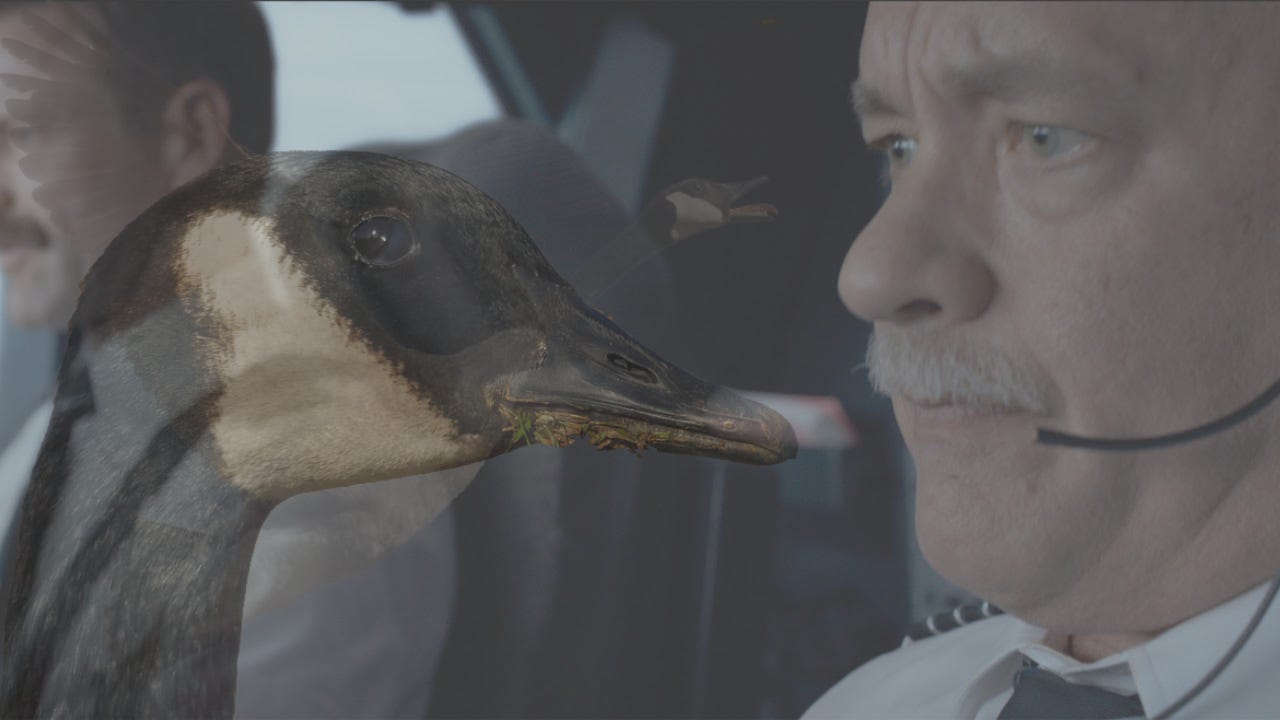
On a frigid January afternoon in 2009, US Airways Flight 1549 collided with a flock of Canada geese upon takeoff from New York’s LaGuardia airport. Both plane engines stopped working. Against all odds Captain “Sully” Sullenberger managed to glide the plane onto the Hudson River, and all passengers and crew survived the crash. Tom Hanks starred in the dramatization of the “Miracle on the Hudson” in the film Sully. Nathan Fielder reimagined Captain Sully’s crash landing in the most recent season of The Rehearsal. It was a triumph for both the surviving passengers and crew, as well as New Yorkers living in the immediate anxiety of post-9/11 plane crashes in Manhattan.
But of course, there were some fatalities that day. The flock of Canada geese that hit US Airways Flight 1549 had no chance of survival. In the summer after the plane crash, in an effort to prevent geese interference with aircraft engines, the U.S. Department of Agriculture (USDA) led a cross-jurisdictional effort to cull flocks of Canada geese in New York City parks. That year, over 1,200 Canada geese were rounded up and gassed with carbon monoxide.
The New York State Department of Environmental Conservation has since continued to push for an expansion of recreational hunting and organized culling in an effort to reduce the state’s population down to a mere 85,000 Canada geese. As of the most recent data, 228,000 Canada geese call New York home.
New York is not the only city to navigate solutions to the negative impact of birdlife on airport safety. Falcon Environmental Services provides wildlife management at airports across Canada and the US. They’ve had the greatest success using bald eagles to scare Canada geese, the larger bird intimidating the much smaller geese. Meanwhile, Singapore’s Changi Airport uses a combination of radar and loud acoustic devices to track and deter birds.
But not all efforts are as high stakes as preventing another “Miracle on the Hudson”. In Sydney, the waterfront below the iconic Opera House is patrolled by intrepid sheepdogs who are on staff to scare away the aggressive seagulls who steal fries from unsuspecting tourists.
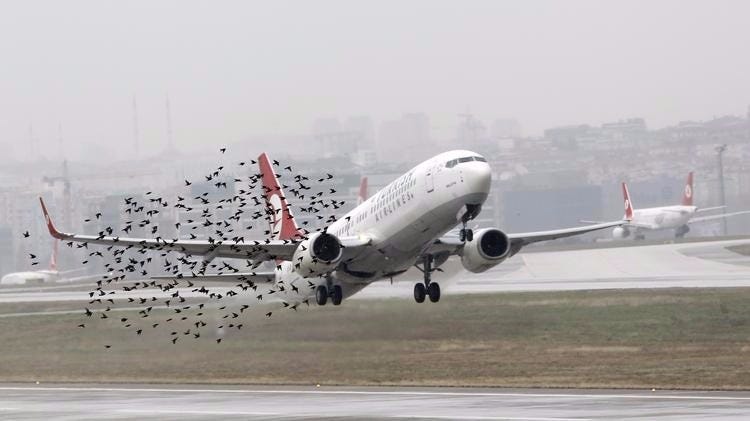
Ultimately, birds are the victims of urbanization. Humans have built structures they crash into. We’ve domesticated cats that hunt them for sport. We shine artificial lights at night that confuse them. Put jetplanes on their flight path. And build wind turbines that are propelling bird killers in the sky.
Cats are by the far the top killers of urban wildlife globally. Outdoor cats and feral cats often hunt for pure enjoyment, and often don’t even eat whatever they’ve killed. But it’s much harder to tell people what to do with their pets, and I definitely do not want to catch the ire of the cat-obsessed, so I will just leave you with the knowledge that your sweet pet cat is actually a sadistic tormenter of birds.
Every creature has its human fanbase. A niche but vocal group of animal activists in New York advocate to put a stop to killing Canada geese and destroying their eggs in the name of preventing plane crashes. Some have even assailed the film Sully as anti-goose propaganda.
Meanwhile, the group Alley Cat Allies have accused the American Bird Conservancy of anti-cat propaganda for its characterization of research findings that cats are top bird killers. The exact number of birds killed by cats, buildings and other infrastructure is hard to track, but one study estimates that 624 million birds per year in the US and Canada die from striking buildings (whereas 2.6 billion birds are killed per year by feral and domesticated cats).
Despite the enormous toll cats have on birdlife, working on bird-safe building design seems like an easier task than trying to keep the peace between the most ardent fans of birds or cats.
Glass and artificial lights are the biggest threats to birds in buildings. Humans and birds both can’t see clean glass, although humans are able to use visual cues to know when a door or window might not be safe to walk through. Despite this, many of us have also walked into a glass door at some point in our lives. Birds unfortunately don’t have access to these visual design cues when flying around our cities.
San Francisco, DC, New York and Toronto are leaders in requiring bird-friendly designs in new construction. Since 2010, the Toronto Green Standard has required new development to use bird-friendly design features to reduce collisions. In 2011, San Francisco updated their planning ordinances to require bird safe design for new buildings, additions and when over half of a building’s glazing is being replaced. New York passed comprehensive design legislation in 2020 that requires bird safe design on new developments or when exterior glazing is being altered. DC soon followed suit passing similar requirements in 2022.
Thoughtful design tweaks made to glass facades and dimming lighting can have a positive impact on the bird population. Bird safe design standards encourage either using less glass in a building or treating windows to appear less transparent. Frosted glass, patterns, decals, and unmirrored glass can help reduce bird strikes. Shielding artificial lights or removing unnecessary vanity lighting can also help reduce birds getting confused while hunting or migrating at night.
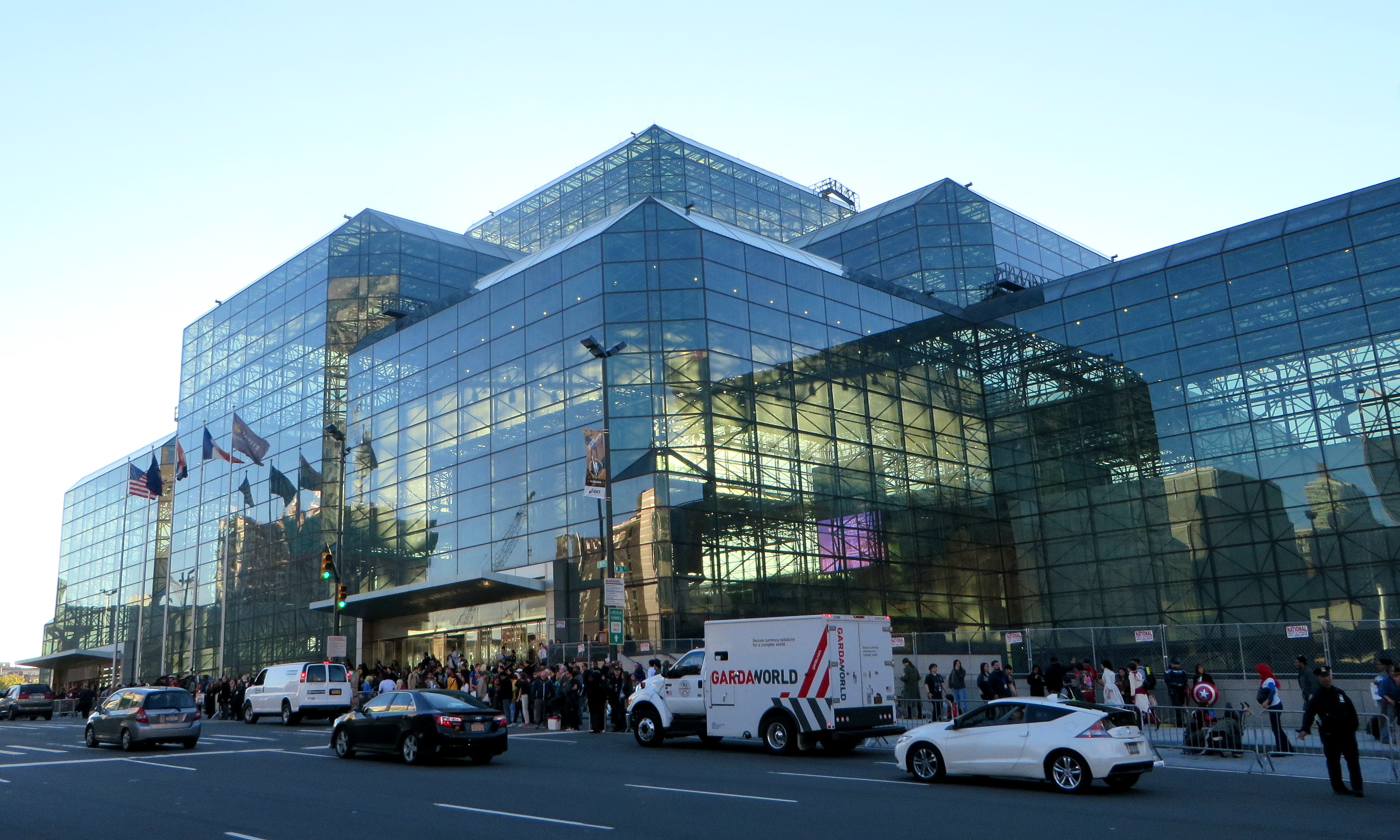
Bird collisions happen in glass buildings of all sizes, including on lower floors of skyscrapers where more bird activity takes place. The Javits Center in New York underwent a renovation to install opaque panels and patterned glass, and is often touted as an example of bird friendly retrofitting. After the renovations, the Javits Center’s green roof became a popular nesting ground for herring gulls, bats, and, I’m sure to the ire of plane safety proponents, Canada geese.
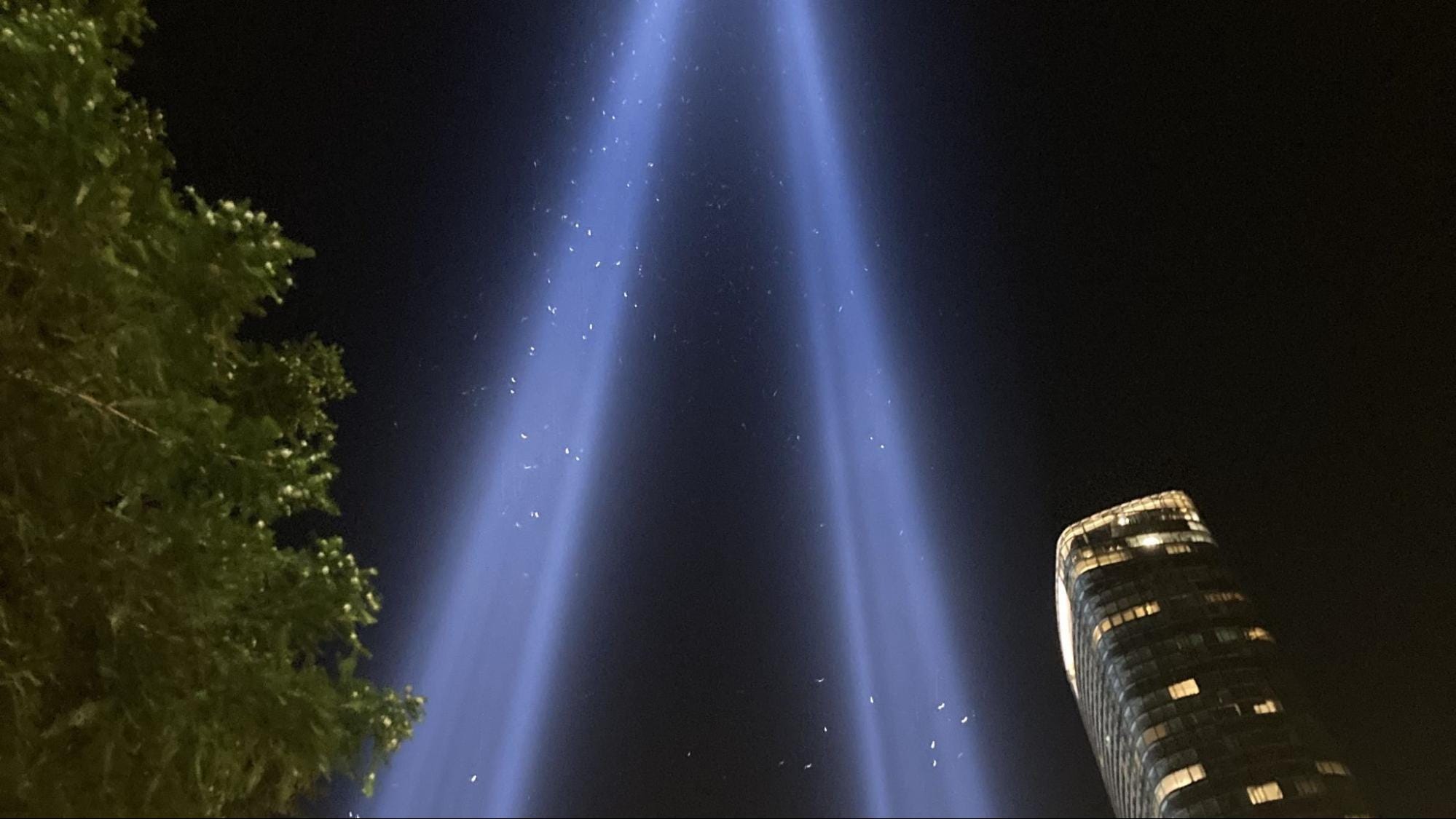
Downtown, after many years of tension, bird advocates and the World Trade Center 9/11 memorial have come to a détente. Every September, birds get trapped in the lights of the 9/11 memorial, circling around the projection of two beams of light commemorating the Twin Towers until they run out of energy to continue their migration or even crash into nearby buildings. To combat this, the NYC Bird Alliance volunteers monitor the lights every night, and if there are more than 1,000 birds circling at any given time, the beams are temporarily turned off to allow the birds to orient themselves, leave the allure of circling around light beams and continue their journey.
Birds have adapted to living in cities. In Sydney, cockatoos have figured out how to open garbage bins and use water fountains. Pigeons, maligned as the “rats of the sky”, have adapted to roosting on skyscrapers instead of cliff faces. A breakwater constructed for the 1956 Olympics Games in Melbourne is now home to over a thousand little penguins who have adapted to city living. Seagulls nest on roofs with a diet of stolen food and trash (unfortunately a lot of it being plastic). The chimney swift roosts in, well, chimneys, having adapted from nesting in hollow trees to inside Victorian era terrace houses.
Humans are inconsistent in their protection and malignment of urban birds. We tend to put protections in place for critically endangered species, fearing the loss of another dodo bird or passenger pigeon. The chimney swift, whose population has declined by 90 percent since the 1970s in Canada, are among the special bird species chosen by humans as worth saving.
In Ontario, several construction companies were fined under the Endangered Species Act in February 2026 for destroying the homes of chimney swift birds. The Bloor Dufferin Housing Corp and Lockhart Construction in Toronto were ordered to build a replacement habitat for chimney swifts after destroying two chimneys in the re-development of a site. They were also ordered to pay $330,000 to the bird conservation charity Birds Canada to fund protections for the chimney swifts. Marble Arch Corporation and Adam Watson were also fined for damaging a chimney in the development of a former hospital in Perry Sound. The $157,501 fine is also payable to Birds Canada to fund protections for chimney swifts.
I imagine the Canada geese in New York would be a bit jealous of the chimney swift. And that some Canadian housing developers might have beef with bird conservation charities.
Like the Canada geese and the chimney swift, some birds inadvertently become symbolic of the tensions between human activity and the natural environment. One of the most famous examples is the northern spotted owl. When it was classified as endangered in the US & Canada, tensions flared in the 1990s between environmentalists and the logging industry, dubbed by newscasters as the “Timber Wars”. The northern spotted owl is at the center of decades of fierce debate: whether to preserve the centuries-old-growth forests or continue expanding the prosperous logging industry in the Pacific Northwest.
It seems arbitrary when we choose to work to protect wildlife from industry and infrastructure, and when animals are a nuisance we try to eliminate. There’s a lot more potential to work with the birds that use our city infrastructure rather than against them, to continue to cultivate rich urban biodiversity that’s safe for all its living creatures.
What else am I reading?
IEA, an organization founded in response to a historic oil crisis, released a report proposing policy actions to deal with energy affordability issues worsened by the fuel crisis
Obsessively following TMZ’s coverage of Congress on vacation during the partial government shutdown
Mapping public lands in peril just as the Forest Service announced its closing most of its research sites